
AI can help tax teams work faster. But can they trace the result to reliable data, explain the decisions behind it and defend the outcome?
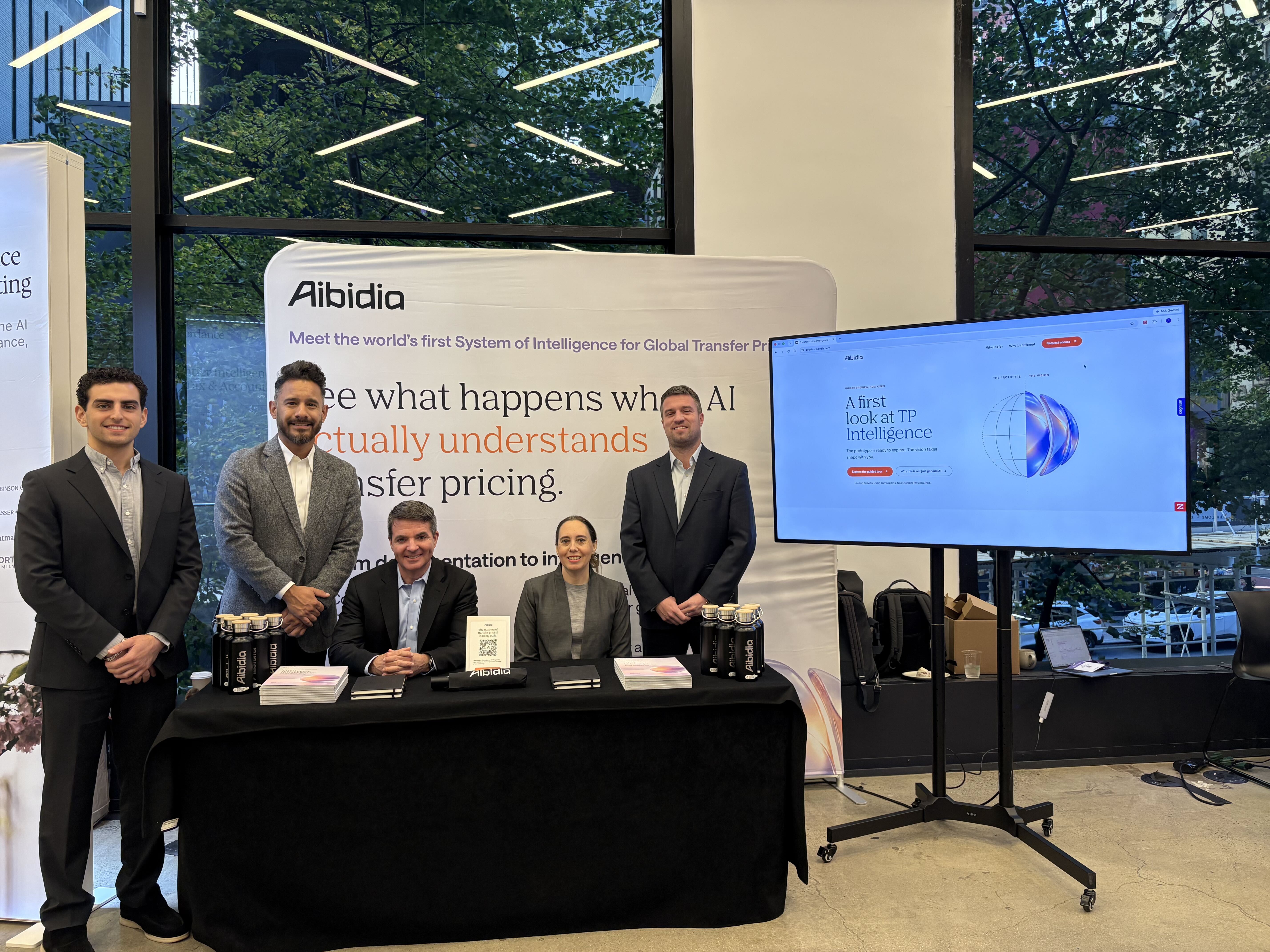
That question connected discussions at the ITR AI in Tax Forum and Global Transfer Pricing Forum USA in New York. Across both events, speakers explored how to move from experimentation to practical, controlled use of technology.
For transfer pricing teams, five themes stood out: process design, credible outputs, governance, defensible documentation and consistent execution.
1. Start with the process, then choose the technology
Practitioners repeatedly emphasised the importance of defining the desired output and understanding existing workflows before introducing AI. Fragmented data, unclear handoffs and inherited spreadsheets can undermine a process before a model touches it.
One reconciliation example captured the distinction. A team used AI to help develop a Python script for a recurring task. The resulting workflow relied on repeatable code: AI helped build the solution rather than perform every calculation.
The practical takeaway is to match the tool to the work. Stable, repeatable steps may suit conventional automation. AI can add value where inputs vary or information needs interpreting and organising. Start with a bounded task, validate it and expand gradually.
2. A convincing answer is only the starting point
Several sessions distinguished plausible outputs from credible conclusions. Four checks emerged: correct facts and scope, applicable authority, evidence supporting the conclusion and a clear audit trail.
In transfer pricing, polished language can conceal an outdated functional analysis or an unsupported citation. Practitioners described moving away from opaque, large-scale report generation towards staged workflows, curated source material and defined review gates.
AI can help coordinate work, retrieve information and prepare drafts, while calculations run through dedicated models or repeatable code. Measure the value across the complete workflow, including validation and rework. A faster first draft is useful when it makes the finished work more efficient and reliable.

3. Governance must cover actions as well as answers
Agentic AI introduces a further risk: systems can take inappropriate actions as well as produce inaccurate statements.
Speakers stressed the need to define what agents can access, what they can change, when they must stop and who reviews exceptions. Access restrictions need to be enforced through system controls, alongside clear instructions.
Governance also continues after deployment. Sources, models and business processes change, so testing and monitoring must continue too. For buyers, the questions extend beyond the demonstration: how are outputs validated, how is sensitive data handled and how are failures detected?
Human oversight remains essential, with reviewers who have the expertise to challenge the result.
4. Transfer pricing compliance and risk: building a defensible position
Katheryn Weiller, Director Transfer Pricing Advisory at Aibidia, joined the compliance and risk panel, where the discussion connected resourcing, documentation, benchmarking and audit defence.
One theme was the need to balance internal ownership with specialist support. The right approach depends on transaction complexity, jurisdictional requirements, capacity and risk appetite. Technology can enable more work in-house, while professional judgment remains central to deciding where external expertise is needed.
Acquisitions add another challenge: inherited policies, inconsistent files and missing institutional knowledge. Technology can help organise the intercompany landscape and surface differences, but people must assess their significance and decide what to harmonise.
Evidence needs to sit behind the narrative
The documentation discussion highlighted the importance of substantiating claims and retaining support that can be retrieved years later. A reference to a workpaper only helps if that workpaper exists. Statements about functions, risks and decision-making need evidence of how the business operates.
Financial reconciliations, organisation charts and decision records can all contribute to that support. Technology can flag missing references and inconsistencies; professionals still need to assess whether the evidence supports the position.
The panel also emphasised consistency between transfer pricing documentation and international tax filings. Common data sources and cross-review between teams help prevent different submissions from telling different stories. Regular engagement with statutory auditors and timely benchmark updates support the same objective: resolving questions while the facts and people remain accessible.
5. Connect policy, execution and reporting
The operational transfer pricing discussion highlighted a familiar gap: tax sets policy, while finance teams and systems implement it. Clear ownership, segmented financial information and regular business reviews help teams identify differences during the year.
Intercompany financing sessions reinforced the importance of monitoring actual conduct throughout an arrangement’s life. Contracts and initial benchmarks need to remain relevant to how transactions operate.
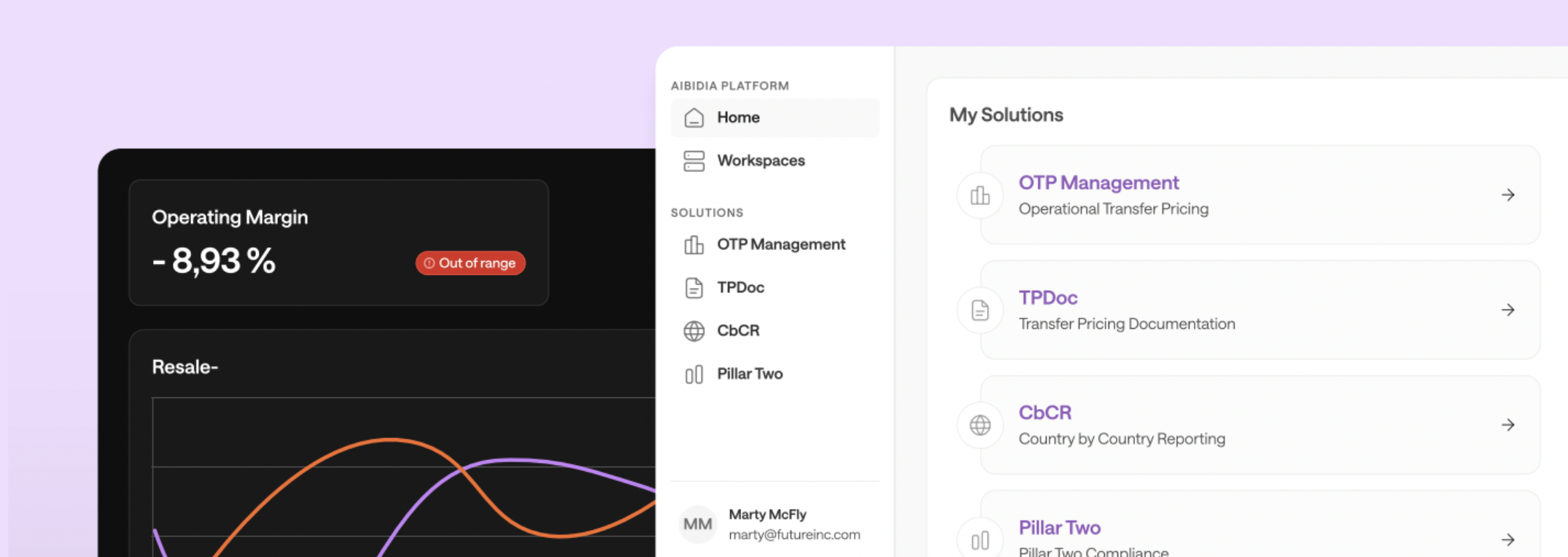
Pillar Two and country-by-country reporting discussions brought the themes together. Different regimes apply different tests, but teams need a coherent account of the business and consistent underlying information. Separate data extracts and assumptions can create avoidable discrepancies.
Turning insight into action
The opportunity is to build workflows that make reliable information easier to access, review and defend. Start with one process, establish data ownership and review points, and test performance before scaling. Build supporting evidence as the work happens.
Exploring what this could mean for your team? Book a meeting with Aibidia to discuss TP Intelligence and your transfer pricing priorities.